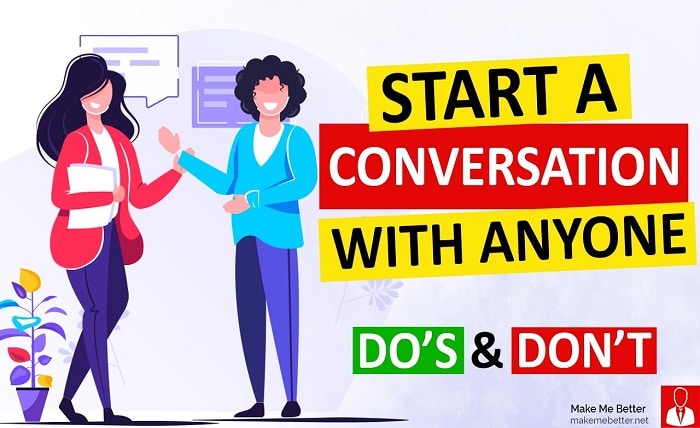
Starting a conversation can feel intimidating, especially when meeting new people, attending social events, networking, or trying to build relationships. Many people struggle with knowing what to say first or how to keep a discussion flowing naturally. Learning how to start a conversation is an essential social skill that can improve your personal and professional life.
Whether you’re talking to a stranger, a coworker, a potential friend, or someone you admire, understanding how to start a conversation can help you feel more confident and create meaningful connections. In this guide, you’ll discover practical techniques, proven strategies, and real-life examples to make conversations easier and more enjoyable.
Why Learning How to Start a Conversation Matters
Knowing how to start a conversation is important because communication is the foundation of all relationships. Whether you’re making friends, networking for career opportunities, or simply interacting in daily life, strong conversational skills help you connect with others.
When you understand how to start a conversation, you reduce social anxiety and increase your ability to build trust. A simple greeting or thoughtful question can open doors to new friendships, business opportunities, and memorable experiences.
People naturally appreciate genuine interest and engagement. By mastering how to start a conversation, you position yourself as approachable, confident, and personable.
How to Start a Conversation with Confidence
One of the most important aspects of learning how to start a conversation is developing confidence. Confidence doesn’t mean being the loudest person in the room. Instead, it means being comfortable enough to initiate interaction.
Before approaching someone, remind yourself that most people are open to friendly conversation. Start with a smile, maintain positive body language, and make eye contact. These non-verbal signals make it easier to begin talking.
When practicing how to start a conversation, focus on curiosity rather than perfection. You don’t need a brilliant opening line. A simple comment about your surroundings or a friendly question is often enough.
For example:
- “Hi, how’s your day going?”
- “What brings you here today?”
- “Have you attended events like this before?”
These simple starters make how to start a conversation much less stressful.
How to Start a Conversation with Someone You Don’t Know
Many people specifically want to learn how to start a conversation with strangers. The key is finding common ground.
Observe your environment and use it as inspiration. If you’re at a coffee shop, bookstore, conference, or social gathering, there’s usually something around you that can spark discussion.
Examples include:
- “That book looks interesting. Have you read anything else by that author?”
- “This café has a great atmosphere. Is it your first time here?”
- “What did you think about the speaker’s presentation?”
When using how to start a conversation techniques with strangers, keep your opening friendly and non-intrusive. Avoid highly personal questions at the beginning.
Remember that the goal of how to start a conversation isn’t to impress someone instantly. It’s simply to create an opportunity for interaction.
How to Start a Conversation at Work or Networking Events
Professional environments often require knowing how to start a conversation effectively. Networking events, conferences, and workplace gatherings provide valuable opportunities to meet new people.
A great approach is asking questions related to work, industry trends, or professional experiences.
Examples include:
- “What projects are you currently working on?”
- “How did you get started in your field?”
- “What do you enjoy most about your job?”
- “What inspired you to attend this event?”
When practicing how to start a conversation in professional settings, focus on active listening. People appreciate genuine interest in their experiences and opinions.
Another effective method for how to start a conversation is offering a sincere compliment about someone’s work, presentation, or achievement. Authentic compliments often lead naturally into deeper discussions.
How to Start a Conversation Online
In today’s digital world, understanding how to start a conversation online is just as important as face-to-face communication.
Whether you’re messaging someone on social media, joining online communities, or participating in professional platforms, personalized messages tend to work best.
Instead of saying “Hi” and waiting for a response, try:
- “I enjoyed your recent post about travel. What’s your favorite destination?”
- “I noticed we’re both interested in marketing. How did you get into the field?”
- “Your photography is amazing. How long have you been taking pictures?”
Successful online communication begins with relevance. When learning how to start a conversation digitally, demonstrate that you’ve taken time to learn something about the other person.
Personalized openers significantly increase engagement and help conversations feel more natural.
Common Mistakes to Avoid When Learning How to Start a Conversation
Even when people understand how to start a conversation, certain mistakes can make interactions awkward.
One common mistake is overthinking. Many individuals worry so much about saying the perfect thing that they never begin speaking at all.
Another mistake when practicing how to start a conversation is asking too many questions without sharing anything about yourself. Healthy conversations involve balance between speaking and listening.
Other mistakes include:
- Interrupting frequently
- Focusing only on yourself
- Using controversial topics immediately
- Giving one-word responses
- Appearing distracted
Avoiding these habits will improve your ability to master how to start a conversation and maintain meaningful dialogue.
Remember that even experienced communicators occasionally experience awkward moments. The important thing is continuing the interaction naturally.
How to Keep a Conversation Going After Starting It
Learning how to start a conversation is only the first step. Keeping the discussion flowing is equally important.
A useful technique is asking open-ended questions. These questions encourage detailed responses rather than simple yes-or-no answers.
Examples include:
- “What was the most interesting part of your experience?”
- “How did you become interested in that hobby?”
- “What are your future goals?”
When applying how to start a conversation strategies, listen carefully to responses and ask follow-up questions. Follow-up questions show genuine interest and create deeper engagement.
You can also share related experiences, opinions, or stories. This balance makes the conversation feel natural rather than like an interview.
The more you practice how to start a conversation, the easier it becomes to maintain meaningful interactions.
Practical Examples of How to Start a Conversation in Different Situations
Understanding how to start a conversation becomes easier when you have practical examples.
At a Party
“How do you know the host?”
This is a classic and effective example of how to start a conversation because it creates an immediate connection.
At a Gym
“Have you tried any of the fitness classes here?”
This approach demonstrates how to start a conversation using a shared environment.
In a Classroom
“What do you think about today’s lesson?”
Students frequently use this method when learning how to start a conversation with classmates.
While Traveling
“Have you visited this place before?”
Travel situations provide countless opportunities to practice how to start a conversation naturally.
In a Waiting Room
“Have you been waiting long?”
Simple situational comments often work best when exploring how to start a conversation with strangers.
Conclusion
Learning how to start a conversation is a valuable life skill that can improve your relationships, career opportunities, and overall confidence. While many people feel nervous about initiating conversations, the process becomes easier with practice and the right mindset.
The key to mastering how to start a conversation is focusing on genuine curiosity, active listening, and finding common ground. Whether you’re speaking with strangers, coworkers, friends, or online connections, simple and authentic communication often creates the best results.
As you continue practicing how to start a conversation, you’ll discover that meaningful interactions begin with small, confident steps. Start with a smile, ask thoughtful questions, and remain open to learning about others.
FAQs
1. What is the best way to learn how to start a conversation?
The best way to learn how to start a conversation is through consistent practice. Begin with simple greetings and gradually engage in longer discussions.
2. How can introverts improve how to start a conversation?
Introverts can improve how to start a conversation by preparing a few conversation starters in advance and focusing on listening rather than performing.
3. How do I start a conversation with someone I like?
When learning how to start a conversation with someone you like, keep it natural. Ask about their interests, experiences, or opinions instead of using rehearsed lines.
4. What topics are best when learning how to start a conversation?
Popular topics for how to start a conversation include hobbies, travel, current events, books, movies, work, and shared experiences.
5. Why is learning how to start a conversation important?
Learning how to start a conversation helps build relationships, improve communication skills, increase confidence, and create opportunities in both personal and professional life.