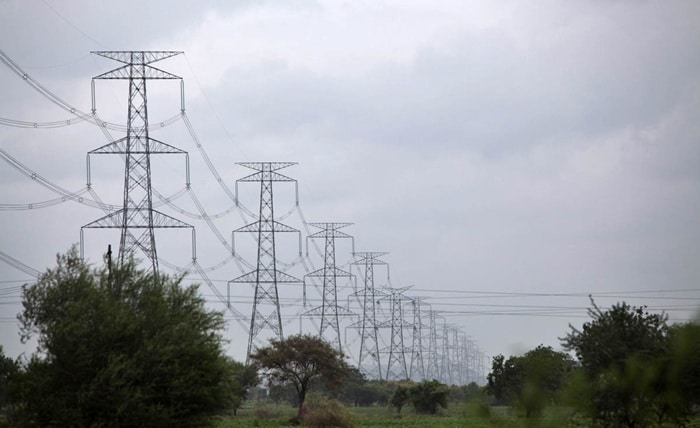
Introduction to Har Ghar Bijli
Access to electricity is a fundamental requirement for modern living, and initiatives like har ghar bijli are transforming lives across India. The har ghar bijli campaign aims to provide electricity to every household, ensuring that no home is left in darkness. Reliable electricity impacts education, healthcare, business, and overall quality of life, making har ghar bijli an essential program for national development.
The implementation of har ghar bijli addresses both urban and rural needs, with a focus on reaching remote areas that previously had no access to power. By bridging the electricity gap, har ghar bijli empowers communities to participate fully in the economy and enjoy modern conveniences. The program reflects India’s commitment to sustainable growth and social equity, making har ghar bijli a key initiative in the country’s development strategy.
Objectives of Har Ghar Bijli
The primary goal of har ghar bijli is simple: provide electricity to every home in India. This objective goes beyond just supplying power—it ensures equitable access to opportunities for all citizens. The initiative aims to reduce energy poverty and foster economic development by lighting up homes and enabling small businesses to thrive.
Another objective of har ghar bijli is to improve the quality of life. Electricity access allows households to benefit from modern appliances, enhanced learning opportunities for children, and better healthcare through powered medical devices. By targeting both urban slums and rural villages, har ghar bijli ensures that no region is left behind in India’s electrification journey.
The program also focuses on sustainability. Through har ghar bijli, renewable energy solutions are promoted, reducing dependence on non-renewable sources. Solar-powered connections and energy-efficient technologies are integrated into the campaign, making har ghar bijli not only an empowerment initiative but also an environmentally conscious program.
Benefits of Har Ghar Bijli
The benefits of har ghar bijli are immense and multifaceted. First, it enhances education. Children in homes with electricity can study after sunset, use computers, and access digital learning platforms, highlighting the educational impact of har ghar bijli.
Second, har ghar bijli significantly improves healthcare. Electrified homes can support refrigeration for vaccines and medications, enabling timely medical care in remote areas. Electricity-powered medical devices in local clinics also improve health outcomes, making har ghar bijli crucial for public health initiatives.
Third, har ghar bijli boosts economic activities. Entrepreneurs and small businesses can operate longer hours, and access to electricity enables the use of machinery and digital payment systems. As a result, har ghar bijli contributes to poverty reduction and economic empowerment in underserved communities.
Finally, har ghar bijli enhances the overall quality of life. Homes with electricity enjoy improved lighting, communication tools, and entertainment options. This access brings social upliftment, reduces migration pressures, and strengthens community well-being.
Implementation Strategies of Har Ghar Bijli
Implementing har ghar bijli requires careful planning, coordination, and technological support. One key strategy is mapping areas without electricity and prioritizing households in remote or underserved locations. Geographic Information Systems (GIS) are often used to ensure efficient deployment, making har ghar bijli a data-driven initiative.
The use of renewable energy is another strategy under har ghar bijli. Solar panels, microgrids, and other clean energy technologies are deployed to reach households where traditional grid connections are difficult. By incorporating renewable sources, har ghar bijli not only provides electricity but also promotes sustainable energy practices.
Community engagement is critical for the success of har ghar bijli. Awareness campaigns educate citizens on the benefits of electricity, safety measures, and efficient usage. Collaboration with local authorities ensures that har ghar bijli is implemented in a manner that meets community needs while promoting responsible energy consumption.
Challenges Faced by Har Ghar Bijli
Despite its positive impact, har ghar bijli faces several challenges. Infrastructure limitations are a major hurdle, especially in remote regions with difficult terrain. Constructing transmission lines and maintaining reliable power supply for har ghar bijli requires significant investment and logistical planning.
Financial constraints also pose challenges for har ghar bijli. Funding the initiative to provide connections to millions of households can strain government budgets. Ensuring cost-effective solutions without compromising quality is a delicate balance that the har ghar bijli program continuously addresses.
Moreover, technical issues such as power losses, equipment failure, and grid instability can affect the efficiency of har ghar bijli. Skilled manpower, maintenance systems, and robust monitoring are essential to overcome these challenges and sustain the benefits of har ghar bijli over time.
Role of Government in Har Ghar Bijli
The government plays a pivotal role in making har ghar bijli a reality. Through policy frameworks, subsidies, and funding, the state ensures that households receive electricity connections efficiently and affordably. National programs and initiatives are aligned with har ghar bijli to maximize outreach and effectiveness.
Government agencies also facilitate coordination with power distribution companies, local authorities, and renewable energy providers. By integrating multiple stakeholders, har ghar bijli benefits from streamlined processes, ensuring faster delivery of services.
Additionally, monitoring and evaluation mechanisms implemented by the government help assess the performance of har ghar bijli. Feedback systems allow authorities to identify gaps, resolve issues, and enhance the impact of the program, ensuring that every household experiences the full benefits of har ghar bijli.
Impact of Har Ghar Bijli on Rural Development
Har ghar bijli has a transformative impact on rural development. Electrification enables small-scale industries, agri-businesses, and cottage industries to flourish. Villages with access to electricity see increased productivity and higher income levels, making har ghar bijli a catalyst for rural economic growth.
The program also improves social infrastructure. Schools, health centers, and community halls benefit from reliable power, enhancing the overall standard of living. Access to electricity under har ghar bijli reduces migration to urban centers, as rural residents can now pursue opportunities locally.
Furthermore, har ghar bijli contributes to women empowerment. Electrified homes allow women to engage in income-generating activities, access digital education, and participate in community development. By fostering gender equality and economic participation, har ghar bijli strengthens social cohesion and progress in rural areas.
Future Prospects of Har Ghar Bijli
The future of har ghar bijli is promising. With the integration of smart grids, renewable energy technologies, and digital monitoring, the program aims to not only provide electricity but also optimize energy efficiency. Emerging technologies will enhance the reliability and sustainability of har ghar bijli, ensuring long-term benefits for households.
Expansion plans under har ghar bijli include reaching the last mile—unserved and underserved populations—through innovative solutions like solar home systems and microgrids. Continuous policy support, public-private partnerships, and technological advancement will drive the success of har ghar bijli in the coming years.
Ultimately, har ghar bijli is more than an electrification program—it is a pathway to national progress, economic development, and social empowerment. By ensuring that every home has access to electricity, har ghar bijli contributes to a brighter and more inclusive future for India.
Conclusion
In conclusion, har ghar bijli is a transformative initiative that addresses one of India’s fundamental needs: electricity for every home. Its benefits span education, healthcare, economic empowerment, and rural development. By overcoming challenges through technology, policy support, and community engagement, har ghar bijli is successfully lighting up households across the nation.
The program exemplifies India’s commitment to sustainable development and social equity. Har ghar bijli is not just about power—it is about opportunity, progress, and the promise of a brighter future. As more households gain access to electricity, the impact of har ghar bijli will continue to ripple through communities, fostering inclusive growth and prosperity for all.
FAQs
Q1: What is the main goal of Har Ghar Bijli?
The main goal of har ghar bijli is to provide electricity to every household in India, improving living standards and promoting development.
Q2: Who is eligible for Har Ghar Bijli connections?
All households without electricity access are eligible for har ghar bijli connections, especially in rural and underserved areas.
Q3: How does Har Ghar Bijli benefit rural communities?
Har ghar bijli supports rural development by powering schools, healthcare centers, businesses, and homes, boosting economic and social growth.
Q4: Are renewable energy sources used in Har Ghar Bijli?
Yes, har ghar bijli promotes the use of solar panels and microgrids to reach areas where traditional grid connections are challenging.
Q5: How is Har Ghar Bijli funded and monitored?
The government funds har ghar bijli through subsidies and policies, with monitoring systems in place to ensure efficient and sustainable implementation.