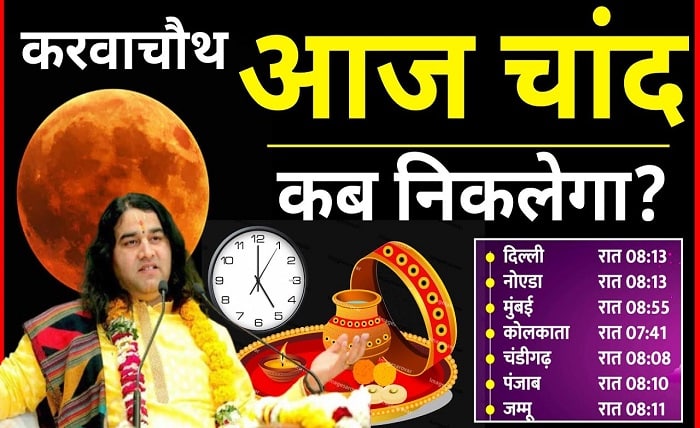
The question “chand kab niklega” has fascinated people for centuries, whether for cultural, religious, or simple aesthetic reasons. When someone asks chand kab niklega, they are often seeking more than just a time—they are looking for a connection with nature, tradition, and sometimes spirituality. The moon has always held a special place in human life, and the curiosity about chand kab niklega reflects our deep-rooted relationship with celestial movements. From poets to scientists, everyone has pondered chand kab niklega at some point.
How Moonrise Timing Actually Works
To accurately answer chand kab niklega, it’s important to understand how moonrise timing is calculated. The moon does not rise at the same time every day; instead, it appears roughly 40 to 50 minutes later each day. This is why the answer to chand kab niklega changes daily and depends on your geographical location. Astronomers use precise calculations involving Earth’s rotation and the moon’s orbit to determine chand kab niklega. This dynamic movement makes tracking chand kab niklega both fascinating and slightly complex.
Importance in Religious Practices
For many cultures and religions, chand kab niklega is not just a casual question but an essential part of rituals. Festivals like Karva Chauth, Eid, and Ramadan heavily depend on knowing chand kab niklega. Devotees eagerly wait and often gather to spot the moon, marking the end or beginning of important observances. In such contexts, chand kab niklega becomes a moment of emotional and spiritual significance. The anticipation surrounding chand kab niklega adds a layer of devotion and excitement to these traditions.
Tools and Apps to Track Moonrise
In today’s digital age, finding the answer to chand kab niklega has become easier than ever. Numerous mobile apps and websites provide real-time updates on chand kab niklega based on your location. Apps like weather trackers and astronomy platforms offer accurate data so you don’t have to guess chand kab niklega. These tools use GPS and astronomical data to instantly tell you chand kab niklega, making it convenient for both casual observers and those who rely on precise timings.
Factors That Affect Visibility
Even if you know chand kab niklega, actually seeing the moon can depend on several factors. Weather conditions like clouds, pollution, and haze can obscure the moon even after chand kab niklega. Additionally, the phase of the moon plays a role; a thin crescent might be harder to spot even if you know chand kab niklega. Urban environments with bright lights can also impact visibility after chand kab niklega. So while knowing chand kab niklega is important, visibility is not always guaranteed.
Cultural and Emotional Significance
Beyond science and timing, chand kab niklega holds deep cultural and emotional value. In poetry, songs, and stories, the question chand kab niklega often symbolizes longing, hope, and romance. Families gathering on rooftops and asking chand kab niklega create cherished memories. The moon becomes a shared experience, and chand kab niklega turns into a moment of bonding. This emotional connection makes chand kab niklega more than just a factual query—it becomes a meaningful tradition.
Tips to Watch the Moon Clearly
If you’re planning to watch the moon and wondering chand kab niklega, there are a few tips to enhance your experience. First, find an open area with a clear view of the horizon when chand kab niklega. Avoid areas with heavy light pollution to better enjoy the moment when chand kab niklega. Using binoculars or a telescope can make the experience even more rewarding after chand kab niklega. Preparing in advance ensures that when chand kab niklega, you won’t miss the beauty of the moonrise.
Conclusion
The question chand kab niklega continues to hold relevance in modern times, blending science, tradition, and emotion. Whether you’re tracking it for religious reasons, personal curiosity, or simply to enjoy the beauty of the night sky, chand kab niklega remains a timeless inquiry. As technology evolves, finding chand kab niklega becomes easier, but the excitement and anticipation remain unchanged. Ultimately, chand kab niklega is not just about timing—it’s about connection, wonder, and shared human experience.
FAQs
1. Why does chand kab niklega change every day?
Chand kab niklega changes daily because the moon moves in its orbit around Earth, causing a delay of about 40–50 minutes each day.
2. How can I find chand kab niklega for my location?
You can check chand kab niklega using weather apps, astronomy websites, or local calendars that provide moonrise timings.
3. Is chand kab niklega the same worldwide?
No, chand kab niklega varies depending on your geographical location, including latitude and longitude.
4. Why can’t I see the moon even after chand kab niklega?
Even after chand kab niklega, visibility can be affected by clouds, pollution, or the moon’s phase.
5. Which festivals depend on chand kab niklega?
Festivals like Eid and Karva Chauth rely heavily on chand kab niklega for their rituals and celebrations.